What Single Varietal Really Means & Why it Matters
ad gustare features single varietal coffees which differentiates us from other roasters. Our coffees aren't exclusive to single varietal, but many of our reserve, specialty roasts are single varietal.
If you’ve ever seen the phrase single varietal on a coffee bag and wondered whether it’s just fancy jargon... good news, it's not. It’s one of the clearest signals that a coffee has something specific and special to say.
Let’s break it down.
First Things First: What is a Single Varietal?
A single varietal coffee is made from one specific type of coffee plant—not a blend of different varieties. Think of it like apples: a Honeycrisp tastes different from a Granny Smith, even if they’re grown in the same orchard. Coffee works the same way.
Bourbon, Typica, SL28, Gesha, Caturra—each varietal has its own natural flavor tendencies, mouthfeel, and personality. When coffee is labeled single varietal, it means nothing is being mixed in to smooth it out or hide its edges. What you taste is the varietal itself, front and center.
Why Single Varietal Coffee Tastes Different
Single varietal coffees tend to be more expressive. Instead of aiming for “balanced for everyone,” they aim for distinct.
Depending on the varietal, you might notice:
-
Bright citrus or floral aromatics
-
Deep chocolate and nutty tones
-
Juicy fruit sweetness
-
A lighter or heavier body
These flavors aren’t added—they’re genetic. Single varietal coffee gives you a direct line from plant to cup, with fewer variables in the way.
The Role of Micro Lots
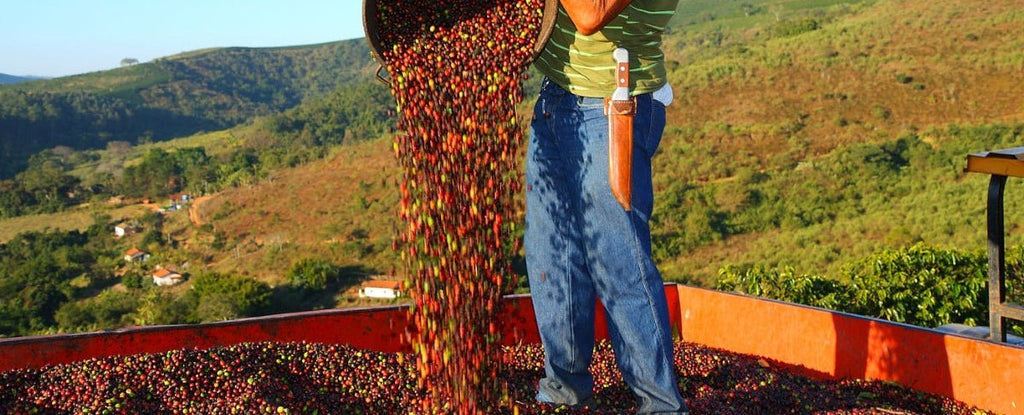
Most single varietal coffees come from micro lots—small, carefully separated harvests from a specific section of a farm. These lots are hand-picked, closely monitored, and processed with intention.
Why does that matter? Because when farmers isolate a varietal and a plot, they can focus on quality over quantity. Micro lots allow producers to experiment, refine, and showcase the very best of what their land and plants can offer.
The result is coffee with clarity, character, and a strong sense of place.
Why Single Varietal + Small Batch Roasting is a Big Deal
Here’s where roasting comes in.
With small batch roasting, like ad gustare, roasters tailor the roast profile specifically to that varietal’s strengths. Instead of forcing every bean into the same roast curve, small batch roasting allows for precision—highlighting florals, enhancing sweetness, or preserving delicate acidity. As we say, roasting toward the peak of taste.
Single varietal coffees demand this kind of care. Roast them too dark, and their nuance disappears. Roast them thoughtfully, and they shine.
At ad gustare, we use small batch roasting to let each varietal speak clearly—without shouting and without being muted.
Why it Matters to You
Choosing single varietal coffee isn’t about being a coffee snob. It’s about curiosity.
It’s about tasting how:
-
One varietal differs from another
-
Farming choices affect flavor, especially elevation and soil
-
Roasting decisions shape the final cup
Single varietal coffees invite you to slow down, pay attention, and enjoy coffee as an experience—not just a caffeine delivery system.
One Varietal. One Story. One Cup.
Single varietal coffee matters because it’s honest. It doesn’t blend away its quirks. It celebrates them.
When paired with micro lots and small batch roasting, single varietal coffee becomes a snapshot of nature, craft, and intention—all in one cup. And once you taste the difference, it’s hard to go back. ☕